
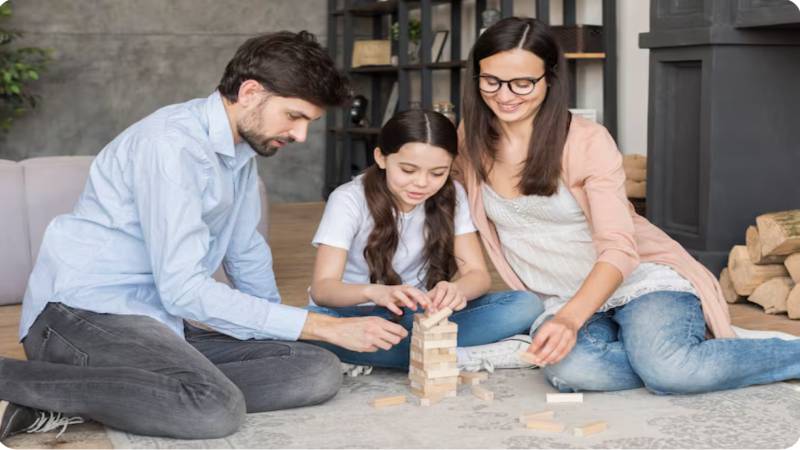
Keeping children entertained is an important part of helping them grow, learn, and develop new skills. While modern technology provides endless entertainment options, children also benefit from creative activities that encourage imagination, physical movement, and social interaction. Parents and caregivers often look for practical ideas that are easy to organize and enjoyable for children of different ages.
Finding the right balance between fun and learning helps children build confidence, improve communication skills, and strengthen family relationships. Whether indoors or outdoors, simple activities can make every day exciting without requiring expensive toys or complicated planning. entertaining children cwbiancaparenting focuses on creating meaningful experiences that support healthy childhood development while making family time enjoyable.
Why Entertainment Matters for Children
Entertainment is much more than keeping children busy. Well-planned activities contribute to emotional, social, and intellectual growth. Children naturally learn through play, making entertainment an essential part of their daily routine.
Some important benefits include:
- Encourages creativity and imagination.
- Improves communication skills.
- Supports emotional well-being.
- Develops problem-solving abilities.
- Strengthens family bonds.
- Promotes healthy physical activity.
Children who regularly engage in fun and educational activities often develop better confidence and curiosity about the world around them.
Indoor Activities That Keep Children Engaged
Indoor activities are especially useful during rainy days, hot weather, or when families prefer spending time at home. Many entertaining activities require only everyday household items.
Arts and Crafts
Creative projects allow children to express themselves while improving fine motor skills. Parents can provide paper, crayons, colored pencils, glue, scissors, and recyclable materials for endless creative possibilities.
Ideas include:
- Drawing favorite animals
- Making greeting cards
- Creating paper flowers
- Building cardboard houses
- Painting with watercolors
Craft projects also teach patience and attention to detail.
Reading Together
Reading introduces children to new ideas, vocabulary, and cultures. Parents can make reading exciting by using different voices for characters and encouraging children to predict what happens next.
Storytime also strengthens listening skills and builds a lifelong love of books.
Puzzle Games
Puzzles improve concentration, logical thinking, and memory. Younger children enjoy simple picture puzzles, while older children can solve more challenging brain teasers.
These activities also teach persistence and teamwork when completed together.
Cooking Simple Recipes
Children often enjoy helping in the kitchen. Preparing easy recipes teaches measurement, following instructions, and healthy eating habits.
Simple ideas include:
- Fruit salads
- Homemade sandwiches
- Smoothies
- Cookies
- Mini pizzas
Adult supervision is always important when children help with cooking.
Outdoor Activities for Active Learning
Outdoor play gives children opportunities to explore nature while staying physically active.
Nature Walks
Walking through parks or gardens encourages observation and curiosity. Children can identify birds, insects, flowers, and trees while learning about the environment.
Parents can make walks more exciting by creating small scavenger hunts.
Sports and Games
Physical activities help children develop coordination, teamwork, and healthy habits.
Popular choices include:
- Football
- Basketball
- Cycling
- Jump rope
- Running races
Regular exercise also improves mood and overall health.
Gardening
Planting flowers or vegetables teaches responsibility and patience. Children enjoy watering plants and watching them grow over time.
Gardening also introduces basic science concepts in an enjoyable way.
Educational Entertainment
Learning becomes easier when children enjoy the process. Educational activities combine fun with valuable life skills.
Science Experiments
Simple experiments encourage curiosity and observation.
Examples include:
- Baking soda volcanoes
- Floating and sinking objects
- Growing beans in cotton
- Rainbow water experiments
These activities help children understand scientific principles through hands-on experience.
Building Projects
Construction toys and building blocks develop creativity and engineering skills. Children learn about shapes, balance, and problem-solving while creating their own designs.
Parents can challenge children to build towers, bridges, or imaginary cities.
Learning Through Music
Music supports memory, language development, and emotional expression.
Children can:
- Learn simple songs
- Dance to different rhythms
- Play basic musical instruments
- Create homemade instruments
Musical activities encourage confidence and self-expression.
Screen Time with Balance
Technology can be useful when used responsibly. Educational videos, interactive learning apps, and age-appropriate games offer valuable learning opportunities.
Parents should:
- Set reasonable screen time limits.
- Choose educational content.
- Watch together whenever possible.
- Encourage discussions about what children learn.
- Balance screen time with physical activities.
Healthy digital habits help children use technology wisely.
Family Activities That Create Lasting Memories
Children often remember simple moments spent with family more than expensive outings.
Meaningful family activities include:
- Board game nights
- Family movie evenings
- Picnics
- Storytelling sessions
- Baking together
- Weekend walks
- DIY craft afternoons
These experiences strengthen relationships and create traditions children can cherish for years.
Encouraging Independent Play
Independent play teaches children to entertain themselves while building confidence and decision-making skills.
Parents can support independent play by:
- Providing open-ended toys
- Creating a safe play area
- Limiting unnecessary interruptions
- Encouraging imagination
- Praising creativity rather than perfection
Children gradually learn how to solve problems and stay engaged without constant supervision.
Supporting Different Age Groups
Entertainment should match a child’s developmental stage.
Toddlers
Young children enjoy activities involving colors, sounds, movement, and simple storytelling.
Preschool Children
Pretend play, puzzles, music, and basic crafts help preschoolers learn through exploration.
School-Age Children
Older children often enjoy science projects, sports, reading, coding games, and creative hobbies.
Choosing age-appropriate activities keeps children interested while supporting healthy development.
Creating a Positive Environment
Children benefit from an encouraging atmosphere where they feel safe exploring new ideas.
Parents can create this environment by:
- Celebrating effort.
- Encouraging questions.
- Allowing creative freedom.
- Spending quality time together.
- Being patient during learning experiences.
Positive encouragement helps children become more confident and willing to try new activities.
Helpful Tips for Parents
Keeping children entertained does not always require detailed planning. Small changes in daily routines can make a significant difference.
Useful tips include:
- Rotate toys regularly.
- Schedule outdoor play.
- Read together every day.
- Encourage creative thinking.
- Limit passive screen time.
- Participate in activities together.
- Listen to children’s interests.
- Let children help with household tasks.
Following these simple ideas makes family life more enjoyable while supporting healthy child development.
Parents searching for practical ideas often discover that entertaining children cwbiancaparenting is most effective when activities are adapted to each child’s interests and personality. Every child is unique, and flexibility helps create enjoyable experiences that encourage both learning and happiness.
Another important aspect of entertaining children cwbiancaparenting is maintaining consistency rather than focusing on expensive entertainment. Simple daily interactions, creative games, and meaningful conversations often provide the greatest value for children’s emotional and intellectual growth.
Conclusion
Keeping children entertained is an ongoing opportunity to encourage learning, creativity, and family connection. A balanced mix of indoor activities, outdoor adventures, educational experiences, and independent play helps children develop important life skills while enjoying their childhood.
Parents do not need elaborate plans or costly resources to create memorable experiences. Simple activities, consistent encouragement, and quality time together often make the biggest impact. By choosing age-appropriate entertainment and maintaining a healthy balance between fun and learning, families can create positive memories that last for years. Thoughtful planning and regular interaction ensure that entertaining children cwbiancaparenting remains an enjoyable and rewarding part of everyday family life.See More